













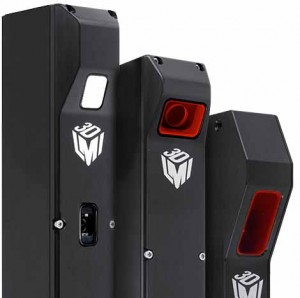
3D smart sensors are an important non-contact scanning method used for a wide variety of industrial inline inspection applications in the automotive, food, electronics, wood, medical industries and more.
In these industries 3D smart sensors perform critical scanning, measurement and pass/fail controls in three main areas:
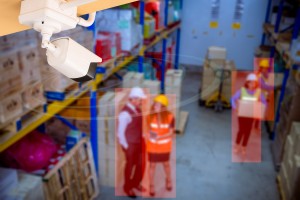
- Factory automation such as dimensional and position verification, sizing and sorting, gap and flush, seal verification;
- Volume optimization of material breakdown such as cutting wood, cheese, and protein into smaller pieces;
-
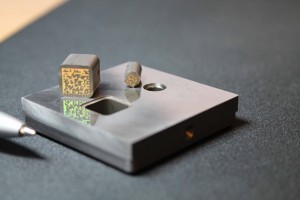
Characterization of surface materials such as road surfaces, cutting edges like razors or tools, and material textures.
Eliminating complexity
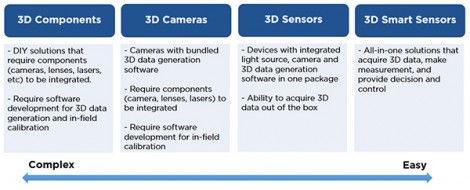
System complexity is one of the biggest challenges that System Integrators and OEMs face. Inspection solutions that require multiple devices to perform essential inspection functions lead to long, costly development cycles that are often difficult to set up, run and maintain without machine vision experts.
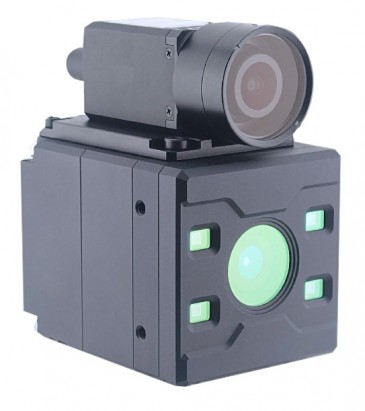
3D smart sensors eliminate this system complexity and help maximize speed and productivity with their efficient all-in-one design. Everything the QC technician needs is contained within the 3D smart sensor itself, from the user interface, scan setup, drag and drop measurement tools, to pass/fail communication. This efficient design has a profound impact on the quality control process –– delivering high precision results to enhance quality with an inspection experience that is faster, easier, and more cost-effective to deploy than traditional component-based approaches.
Benefits of real-time data processing
Manufactured parts come in a wide array of tolerances, sizes, shapes and texture. Moreover, the industrial assembly line environment runs at high speed producing a high volume of moving parts. This means large quantities of measurement data have to be acquired quickly, processed, precisely, and continuously over extended periods of time in order to achieve effective quality control.
Real-time data processing is one of the most critical features that a 3D sensor or any inspection sensor must have in these types of demanding automated inspection conditions. Unfortunately, many sensors on the market today rely on PC/Windows environments that are unable to consistently handle and process measurement data to deliver low latency and zero data drop.
Real-time data processing gives QC technicians the important ability to produce the same reliable and repeatable results, in the same amount of time, whether scanning small or large data volumes.
The role of communications/connectivity
Sensor communication and connectivity are essential on the factory floor. The sensor is often part of a larger connected factory network where measurement results must be delivered to effect part rejection, bin sorting, or pick and place movement.
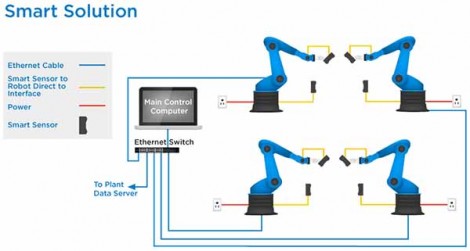
3D smart sensors meet these needs by providing compatibility with a wide variety of communication protocols. As an integral part of the inspection system, 3D smart sensors deliver powerful communication support for a range of interfaces that allows technicians to interface seamlessly with PCs, robots and PLCs –– offering them critical connectivity with TCP, EtherNet/IP, Modbus, ASCII, digital output and more.
Written by Terry Arden, CEO, LMI Technologies
 Back to Features