








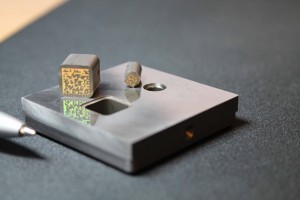

Osram has achieved high image quality for pure laser-based projection with a combination of laser and phosphor (i.e., "phaser") materials. The modules with phaser technology do not need to be replaced through the service life of the projector. They will begin to be used in projectors by the end of this year.
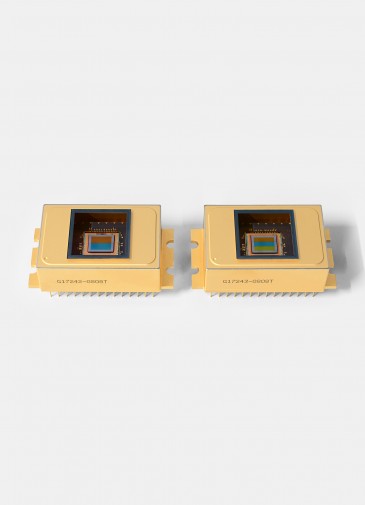
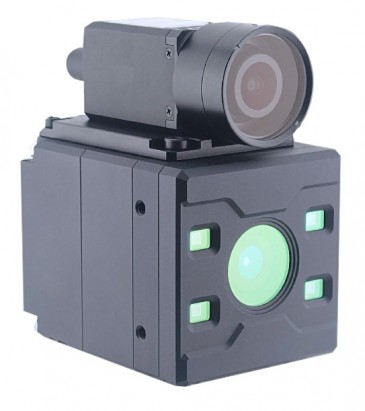
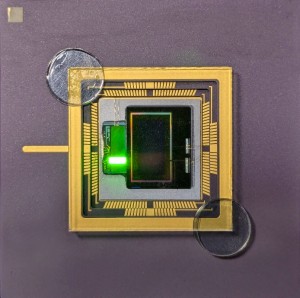
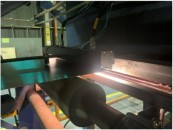
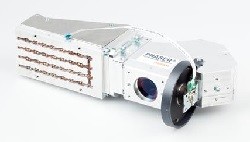
Until now, only green light was generated via laser with laser-based projectors; light-emitting diodes (LEDs) were responsible for the blue and red primary colours. With phaser technology Osram presents a process that achieves high image quality with projection by using the laser, made possible by blue laser diodes (see photo 1 at the top of the page).
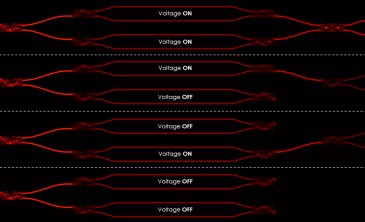
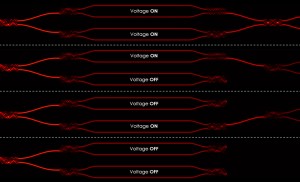
The beams of the diodes are focused directly onto a wheel coated with red, yellow and green phosphor. When the wheel rotates the colours are generated in sequence rapidly enough to form a uniform image for the human eye (see photo 2).
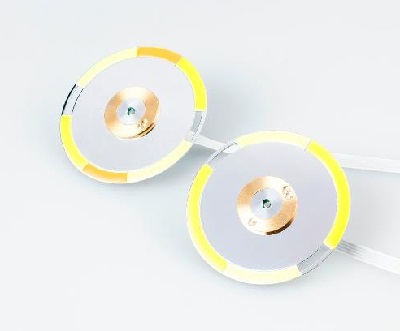
Photo 2: All colours can be generated by the sequential mixing of primary colours and with the aid of the phosphor wheels. Source: Osram
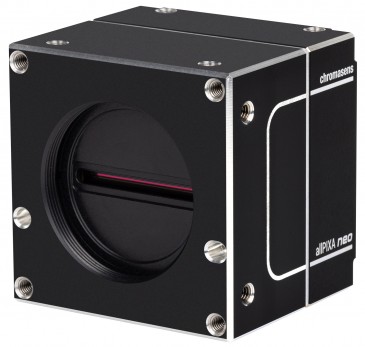
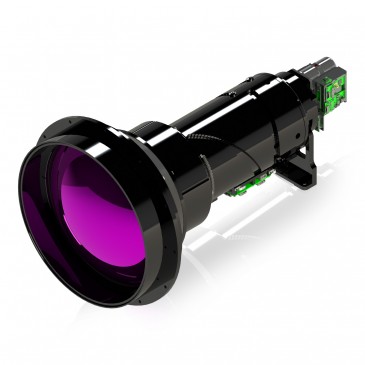
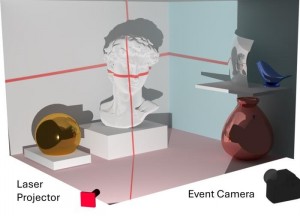
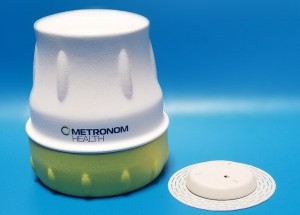
The new projection technology provides images on screen with true-to-life colours (see photo 3).
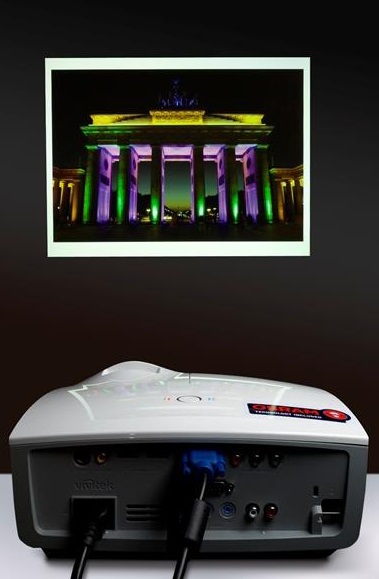
Photo 3: Osram phaser technology is a new form of light source for projection applications and brilliant images that uses neither discharge lamps nor LEDs. Source: Osram
In contrast to standard discharge lamps, the phaser module with a service life of 20,000 hours is as durable as the projector itself. A phaser in offices used for eight hours daily can be operated for almost seven years without failure of the light source, whereas relamping for classic discharge lamps can be required in a quarter of the time. With phaser projectors, the light is immediately visible with complete brightness. A cool-down phase is not necessary following operation.
Connected to suitable electronics, the phaser module offers another advantage: in contrast to discharge lamps, it can be dimmed from 100% to 0% without stepping down and within milliseconds to adapt the brightness to image content. Light is automatically dimmed, for example, when dark images are viewed, for example, in a horror film. Luminous flux is comparable to a 180-watt (W) discharge lamp and is thus suitable for presentation in offices and schools, for image shows and for home cinema entertainment.
Photo 1: The laser beam from blue laser diodes (on the left) is projected onto a wheel coated with phosphor. The result is a solid state light source with especially high luminance. Source: Osram
 Back to Products